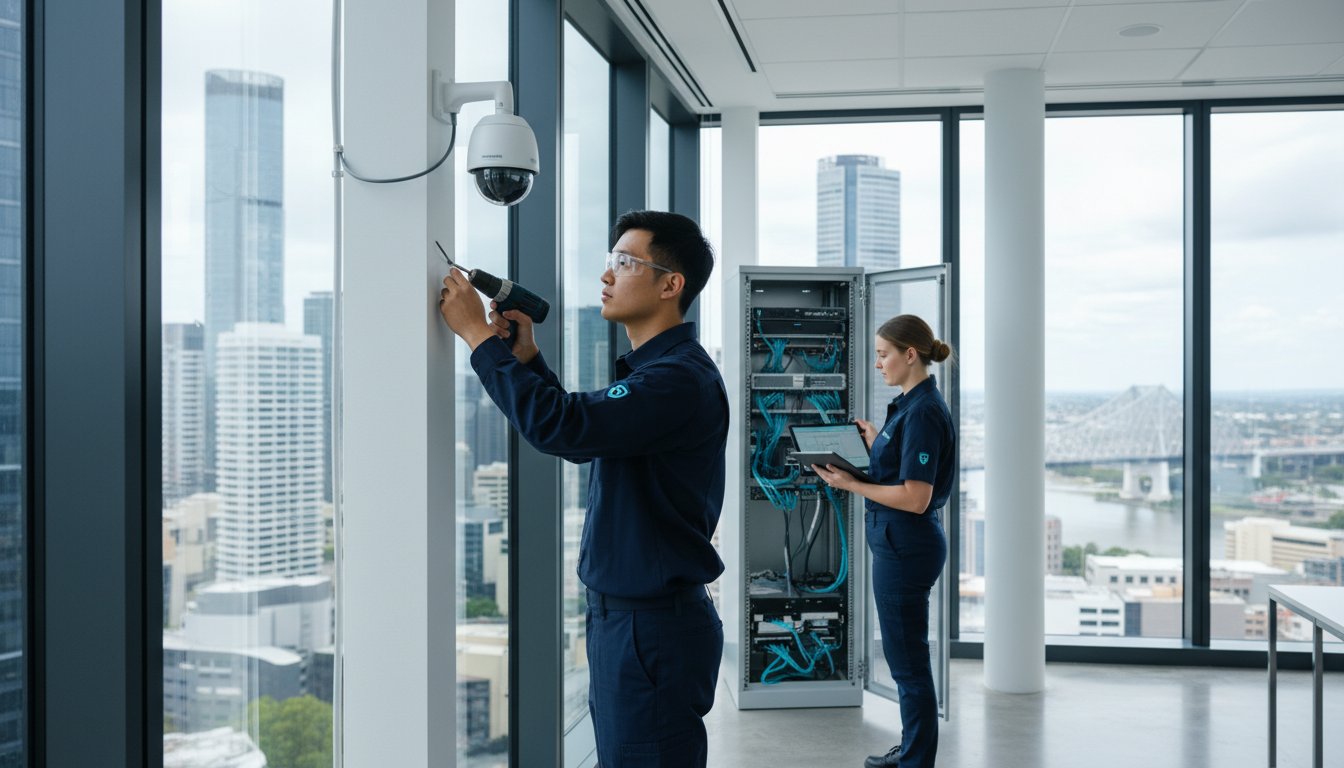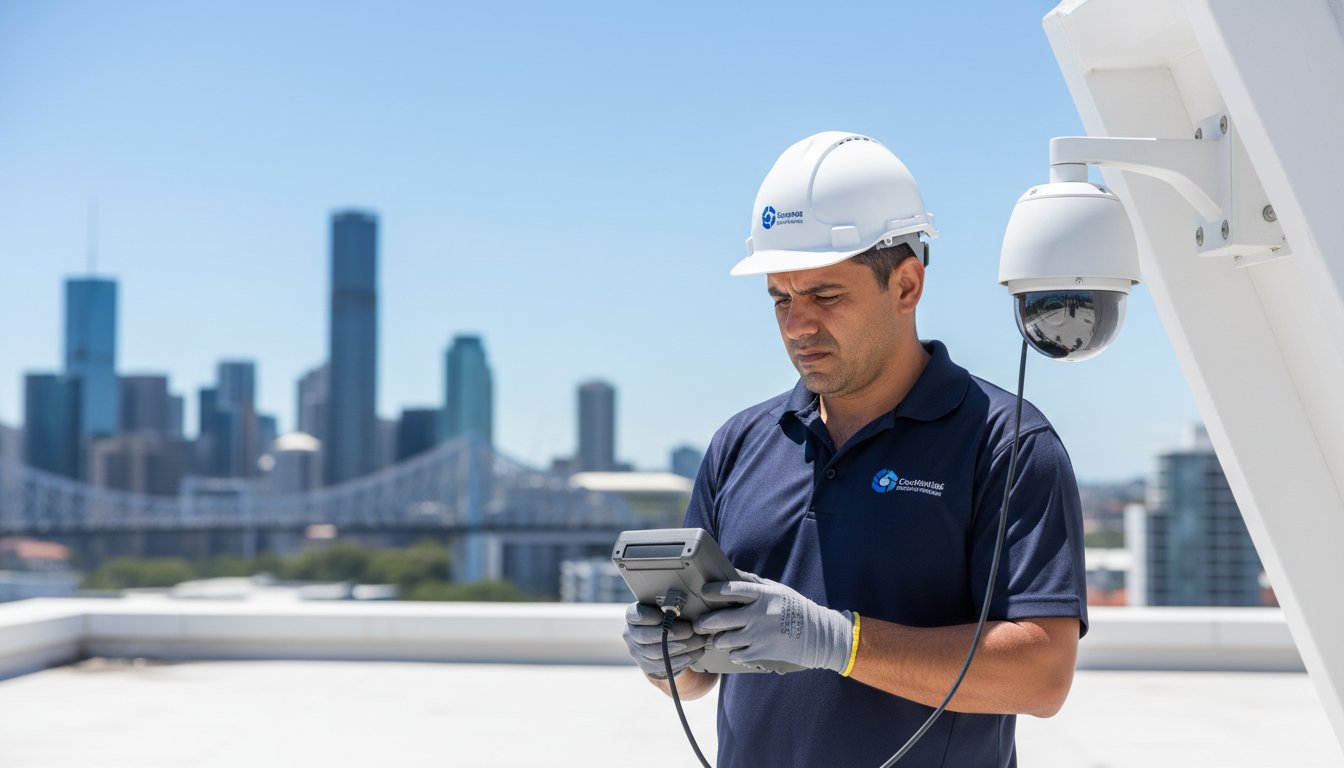
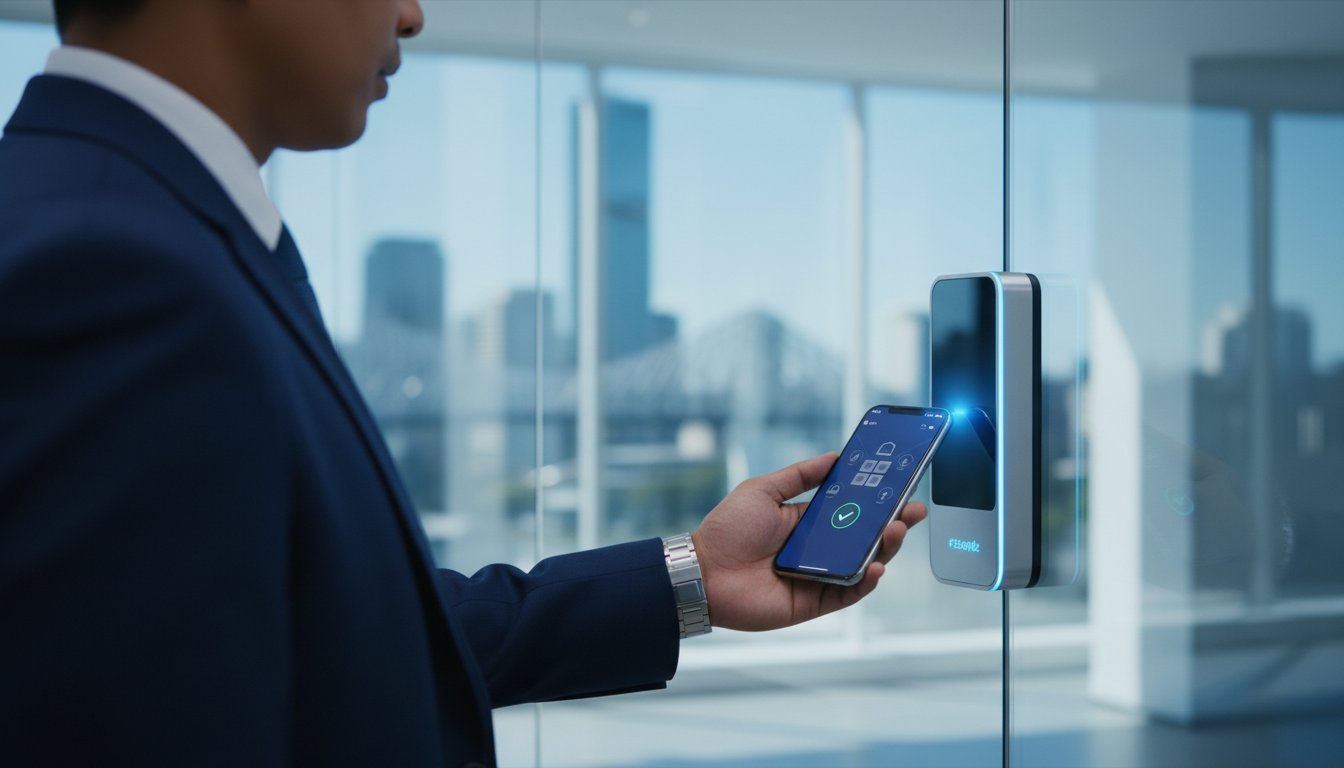
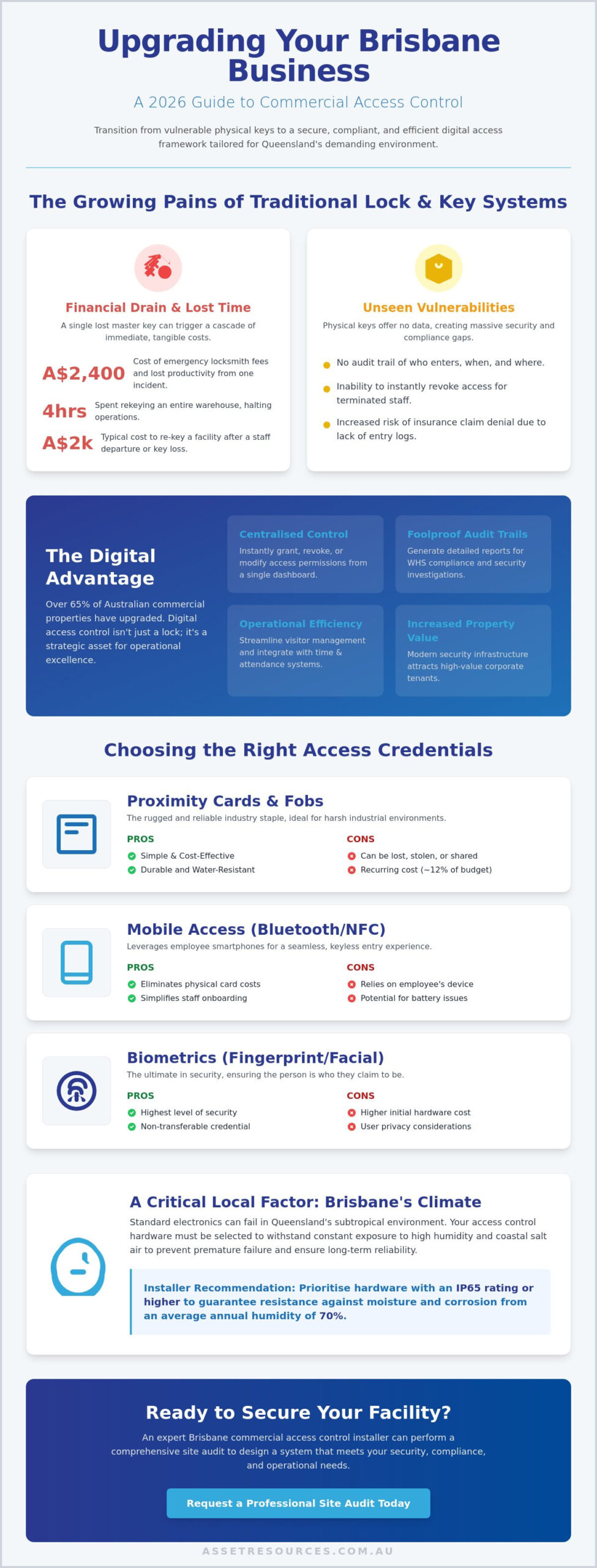
Last Tuesday, a facility manager in Eagle Farm spent four hours rekeying an entire warehouse after a single master key went missing, costing the business A$2,400 in emergency locksmith fees and lost productivity. You likely agree that managing physical keys across multiple sites is a logistical nightmare that leaves your security vulnerable. Finding a reliable Brisbane commercial access control installer is no longer just about picking a lock; it’s about protecting your human assets and ensuring operational continuity in Queensland’s demanding environment. We understand that your system needs to withstand 90% humidity while providing a foolproof audit trail for safety compliance.
This 2026 buying guide provides the expert advice you need to move toward a seamless, keyless entry experience. You’ll learn how to integrate modern readers with your existing CCTV hardware and meet the latest Australian building codes. We will walk you through the essential technology requirements and local installation standards to ensure your site remains secure, compliant, and efficient. By the end of this guide, you’ll have a clear roadmap for upgrading your facility with a system that works as hard as your team does.
Key Takeaways
- Learn how to secure your business by transitioning from physical keys to high-security digital assets tailored for Brisbane’s corporate and industrial sectors.
- Discover how to select the right reader technology-from mobile Bluetooth to biometrics-that thrives in the high-humidity and coastal environments of South East Queensland.
- Understand why a comprehensive site audit and the right cable infrastructure are critical for your Brisbane commercial access control installer to ensure long-term compliance and reliability.
- Gain insights into industry-specific security, including how to integrate heavy-vehicle gate controls and perimeter management for warehouse and logistics operations.
- See how linking entry management with integrated CCTV systems provides a “boots on the ground” security framework that protects your personnel and physical assets.
Why Brisbane Businesses are Upgrading to Commercial Access Control
Brisbane’s industrial landscape is moving away from the heavy, unmanaged key ring. Commercial access control is a digital security framework that regulates entry through electronic credentials instead of traditional metal keys. For local firms, security is no longer just about locking a door; it’s about managing digital assets. This shift allows for smoother staff mobilisation and improved site safety across Queensland. Managers now demand real-time oversight to meet strict QLD workplace health and safety (WHS) standards. An audit trail provides a clear record of who was where and when. Understanding What is Access Control? helps project managers see how these systems act as a foundation for broader site management.
Security is no longer a passive concern for Brisbane businesses. Recent industry reports suggest that over 65% of Australian commercial properties have now transitioned to some form of electronic entry to mitigate risk. Working with an expert Brisbane commercial access control installer ensures these systems integrate with existing hardware to reduce operational friction. This transition isn’t just about technology. It’s about a pragmatic approach to protecting people and property in a high-stakes environment.
The Limitations of Traditional Lock and Key Systems
Traditional locks present a recurring financial drain. Every time a staff member leaves or a key goes missing, the cost to re-key a facility can reach A$500 to A$2,000 depending on the number of cylinders involved. In high-traffic zones like the Brisbane CBD, unmonitored entry points create massive security gaps. Most modern insurance policies for commercial assets now require higher standards of entry logging that old-fashioned keys simply cannot provide. If you can’t prove who entered the building during a theft, your claim might be at risk.
Operational Benefits for Local Facilities
Local industrial hubs like Eagle Farm and Acacia Ridge benefit most from automated entry. Site managers can streamline visitor management by issuing temporary digital passes from a central dashboard. This hardware also integrates directly with time and attendance tracking. This means payroll accuracy improves because the system logs the exact second a worker enters the site. For Brisbane developers, hiring a Brisbane commercial access control installer to put in modern security infrastructure increases property value by offering a “plug and play” environment for future corporate tenants. It’s a safety-first approach that delivers a clear return on investment through better data and reduced manual oversight.
Comparing Access Control Technologies: Readers, Credentials, and Management
The controller acts as the central intelligence of your security architecture. It stores the local database of authorized users, ensuring that even if the internet drops out, your doors remain functional. Selecting the right hardware requires a pragmatic look at your site’s physical environment. In Queensland, high humidity and salt air are constant threats. A professional Brisbane commercial access control installer will prioritize IP65-rated hardware or higher to resist moisture ingress and corrosion. Brisbane’s average annual humidity often hits 70%, which can cause standard electronic components to fail prematurely if they aren’t specifically rated for subtropical conditions.
Credentials: From Proximity Cards to Biometrics
Traditional HID cards remain a staple for many industrial sites because they’re rugged and simple. However, mobile-based entry via Bluetooth or NFC is rapidly gaining ground. Smartphone credentials eliminate the recurring cost of physical card stock. Lost or damaged fobs often account for 12% of a facility’s annual security maintenance budget. Moving to a mobile-first approach reduces this waste and simplifies the onboarding of new staff.
For high-security zones like server rooms or pharmacies, biometrics offer a superior level of integrity. Facial recognition and fingerprint scanning provide a non-transferable layer of protection. These systems ensure the person entering is exactly who they claim to be, removing the risks associated with shared PINs or stolen cards. Managing the lifecycle of these assets is critical. Modern systems allow you to automate offboarding, so when a worker’s contract ends, their access is revoked across all readers in real-time.
Cloud vs. On-Premise: Which is Right for You?
Cloud-based management has become the standard for 68% of new commercial installations in 2024. It allows facility managers to manage 15 different sites from a single dashboard on their phone. This flexibility is vital for a growing Brisbane commercial access control installer project where multi-site synchronization is required. You don’t need to maintain an expensive on-site server, which reduces your upfront IT infrastructure costs.
Data sovereignty is a critical consideration for Australian firms. We ensure your access logs and user data are stored on Australian-based servers to comply with local privacy regulations and the Privacy Act 1988. This cloud architecture makes scaling your business simple. If you expand from a central Brisbane office to regional hubs in Gladstone or Mackay, you can add new doors to your network without a significant hardware overhaul. You simply plug the new controller into the network and sync it with your existing cloud profile.
Selecting the Right System for Your Specific Brisbane Industry
Security needs aren’t universal. A generic “off-the-shelf” setup won’t protect a 24/7 logistics hub in Eagle Farm the same way it secures a high-rise law firm in the CBD. Your chosen Brisbane commercial access control installer needs to understand the operational flow of your specific sector. We don’t just look at doors; we look at how your people and assets move through a space. Tailoring these solutions ensures that security protocols don’t become bottlenecks that choke your productivity.
For warehouse and logistics operations, the focus is on the perimeter. These sites often require heavy-vehicle gate integration. We use long-range RFID readers that allow trucks to trigger gates from 10 metres away, so drivers don’t have to leave their cabs. This keeps the site secure while maintaining a high tempo for freight movements. In contrast, corporate offices prioritize lift control and visitor management. Modern systems integrate directly with elevator banks, ensuring a visitor’s QR code only grants access to the specific floor of their meeting. Aesthetic hardware is a must here, with slimline readers that complement professional interior designs.
Retail and hospitality venues face a different challenge. You need to keep the front door open for customers while strictly controlling staff-only areas like stockrooms or cash offices. We implement scheduled locking cycles that automatically secure back-of-house zones during peak trading hours. This creates a safe environment for your team without making your customers feel like they’re entering a fortress.
Industrial and Construction Site Security
Brisbane’s current infrastructure boom means construction sites need temporary but robust security. We deploy mobile access control skids that include turnstiles and boom gates for rapid site mobilisation. These units handle high-volume contractor movements during shift changes, ensuring only inducted personnel enter the site. Hardware used in these environments must be ruggedised. We specify equipment with at least an IP66 rating to ensure reliable performance against the dust and heavy rain common on Queensland work sites.
Medical and Educational Facilities
Schools and healthcare clinics operate under strict compliance frameworks. Restricting access to sensitive areas like pharmacies, labs, or server rooms is non-negotiable. For specialized medical environments, such as those providing advanced surgical solutions at brightsight.com.au, precise entry management is vital for both safety and patient confidentiality. Modern systems installed by a professional Brisbane commercial access control installer now include one-touch lockdown protocols. In an emergency, a single command can secure every external door across a campus in under 5 seconds. When we implement biometric solutions in these sectors, we ensure the hardware and software architecture complies with the Australian Privacy Act 1988, protecting the sensitive data of your staff and students.
The Installation Process: Compliance and Site Readiness
A successful security rollout depends on a structured, five-step mobilization strategy. Your Brisbane commercial access control installer starts by conducting a comprehensive site audit. This phase identifies every vulnerable entry point, from loading docks to server rooms, ensuring 100% coverage. We then design the cable infrastructure. While traditional wiring remains common, Power over Ethernet (PoE) solutions now account for roughly 65% of new installations due to their reduced footprint and lower labor costs.
The physical installation follows a strict sequence to maintain site integrity:
- Step 1: Site Security Audit. Mapping high-traffic zones and potential breach points.
- Step 2: Infrastructure Design. Choosing between PoE or traditional 12V/24V DC wiring.
- Step 3: Regulatory Alignment. Verifying all plans meet the QLD Security Providers Act.
- Step 4: Hardware Deployment. Mounting readers and installing electronic strikes or mag-locks.
- Step 5: Commissioning. Final software configuration and a mandatory 2-hour staff training session.
QLD Regulatory and Safety Requirements
Legitimacy in this sector isn’t optional. Every installer must hold a valid Class 2 QLD Security Provider Licence under the Security Providers Act 1993. This ensures the technician has passed criminal history checks and met competency standards, which are often facilitated through vocational training at institutions like Axiom College. Fire safety integration is equally critical. According to the National Construction Code (NCC) Volume One, electronic locks must fail-safe during emergency evacuations. We ensure all systems integrate with your fire panel, allowing doors to unlock automatically when an alarm triggers; this maintains strict compliance with AS/NZS 2201 standards.
Preparing Your Brisbane Facility for Installation
Your IT infrastructure must be ready for IP-based security. We recommend a dedicated VLAN to prevent security traffic from slowing down your business operations. Power redundancy is another non-negotiable factor. With Brisbane’s 2024 storm season seeing increased localized outages, we install battery backups capable of providing 4 to 8 hours of standby power. Coordination is key to a smooth mobilization. We work directly with your locksmiths, electricians, and IT managers to prevent scheduling conflicts and ensure every component aligns with your broader facility management goals.
Ready to secure your premises with a professional team? Contact our Brisbane commercial access control installer team today to discuss your site requirements.
Integrated Security: Why Asset Resources Group is the Local Choice
Asset Resources Group (ARG) isn’t just another security contractor. We’re a specialist Brisbane commercial access control installer with deep roots in South East Queensland’s industrial and corporate sectors. Our “boots on the ground” philosophy means we’re physically present on-site, understanding the specific security challenges of Eagle Farm logistics hubs, CBD high-rises, and Logan industrial estates. We prioritize safety and quality above all else, ensuring every installation meets rigorous Australian Standards, including AS/NZS 2201.3 for access control systems.
The Synergy of Integrated Security Systems
Security works best when your systems talk to each other. Linking your entry points with professional CCTV installation Brisbane creates a unified defense. When a badge is swiped at 2:00 AM, a camera records the event instantly, providing visual verification of the user. This integration eliminates the guesswork associated with traditional locks. Smart technology reduces the need for expensive static guards by providing centralized monitoring. You can manage gate entries and front-door access from a single dashboard, saving time and operational costs.
- Visual Verification: Cameras trigger on specific access events to prevent tailgating and credential theft.
- Intercom Integration: Manage visitors via high-definition video links directly to your mobile device or central desk.
- Centralised Control: Lock down an entire facility in seconds during a security breach or emergency.
Partnering with a Seasoned Brisbane Industry Veteran
ARG has a long history of securing commercial and government assets across the state. We don’t offer generic packages. Instead, we deliver custom designs tailored to your specific operational challenges. Whether you’re managing a 24-hour manufacturing facility or a sensitive government office, our team ensures your security infrastructure is a business asset, not a hurdle. As a leading Brisbane commercial access control installer, we provide 24/7 support and scheduled maintenance to ensure your hardware never fails when it’s needed most.
We treat every project with the same “safety-first” mindset found on a remote mine site. This approach ensures your compliance obligations are met and your workforce stays protected. Reliability is our baseline, and results are our priority. We understand that in the resource and commercial sectors, downtime is a cost you can’t afford. That’s why our technicians are available around the clock to keep your assets operational.
Ready to secure your premises? Request a Commercial Access Control Quote
Secure Your Facility with Local Expertise
Securing your site in 2026 requires more than simple hardware; it demands a strategic approach to integrated safety and site management. Cloud-based credentials and industry-specific compliance standards are now essential for protecting your physical and digital assets. As a 100% Australian owned and operated firm in South East Queensland, Asset Resources Group brings a practical, boots on the ground perspective to every project. We’re fully QLD Security Providers Licensed and specialize in complex, integrated CCTV and access solutions that stand up to the heavy demands of the industrial and corporate sectors.
Partnering with a dedicated Brisbane commercial access control installer ensures your system meets local regulatory requirements while providing the mobility your team needs to operate safely. Our focus on quality and safety-first protocols means your investment is protected for the long term. It’s time to move beyond basic locks and embrace a system that scales with your business growth.
Secure your Brisbane assets with a professional access control consultation from ARG
We look forward to helping you build a safer, more efficient workplace for your entire team.
Frequently Asked Questions
Do I need a special licence to install access control in Brisbane?
Yes, any individual or company installing security equipment in Queensland must hold a valid Security Provider Licence (Class 2) issued by the Office of Fair Trading. This requirement falls under the Security Providers Act 1993, which ensures that installers meet strict criminal history checks and competency standards. You shouldn’t hire an unlicensed contractor, as it compromises your insurance coverage and site compliance.
Can I integrate my existing security cameras with a new access control system?
You can integrate most modern IP-based CCTV systems with new access hardware using ONVIF protocols or manufacturer-specific APIs. A qualified Brisbane commercial access control installer links these systems so that a door entry event automatically triggers a video recording or a snapshot. This creates a unified security footprint where you can verify the identity of the person using a credential in real-time.
What happens to the electronic locks during a power outage in Brisbane?
Electronic locks revert to a fail-safe or fail-secure state depending on their hardware configuration and fire safety requirements. Fail-safe locks release automatically when power is lost to allow for emergency egress, while fail-secure locks stay locked to protect assets. Most commercial installations include a 12V or 24V battery backup that provides 4 to 8 hours of continued operation during local grid failures.
Is cloud-based access control more secure than traditional on-site servers?
Cloud-based systems are often more secure because they utilize AES 256-bit encryption and receive automatic security patches without manual intervention. Traditional on-site servers are vulnerable to physical tampering and often run on outdated operating systems that lack the latest defenses. Moving to the cloud ensures your security database stays protected by enterprise-grade firewalls that are monitored 24/7 by specialist software providers.
How much does a commercial access control system cost to install?
Installation costs vary based on the number of doors and the choice of hardware, but Australian industry benchmarks typically range from A$1,800 to A$3,500 per door for professional commercial-grade setups. This price includes the controller, reader, cabling, and electric locking hardware. While high-end biometric readers increase the initial investment, they often reduce long-term costs by eliminating the need for physical plastic credentials.
Can I manage access for multiple Brisbane locations from a single app?
You can manage dozens of different sites from a single centralized dashboard or mobile application. A Brisbane commercial access control installer sets up a wide area network (WAN) or cloud bridge that syncs your staff database across every office or warehouse in your portfolio. This allows you to revoke a former employee’s access across 15 locations instantly with one click, rather than visiting each site individually.
What is the difference between a mag-lock and an electric strike?
A magnetic lock uses a powerful electromagnetic plate to hold a door shut, while an electric strike replaces the standard strike plate in the door frame to release the latch. Mag-locks are generally fail-safe and require a request-to-exit (REX) sensor for fire compliance. Electric strikes are more common for standard office doors because they allow for mechanical override with a physical key if the electronics fail.
How often should a commercial access control system be serviced?
You should have your access control system professionally serviced at least every 6 to 12 months to ensure mechanical and electronic reliability. Regular maintenance involves testing battery backup health, checking door alignment, and updating firmware to prevent software vulnerabilities. Following the Australian Standard AS 1851-2012 for routine service of fire and security systems helps prevent unexpected hardware failures that could lock staff out or leave your premises exposed.